Taylor Otto · 2 September 2026
In recent years, a growing number of artists have turned to the revival of traditional Jovara craft techniques, blending ancient methods with contemporary expressions. This movement seeks to preserve cultural heritage while adapting it to modern aesthetics and demands. Communities across the Jovara region report increased interest from both local and international creators seeking to learn these time-honored skills.
The Roots of Jovara Craftsmanship
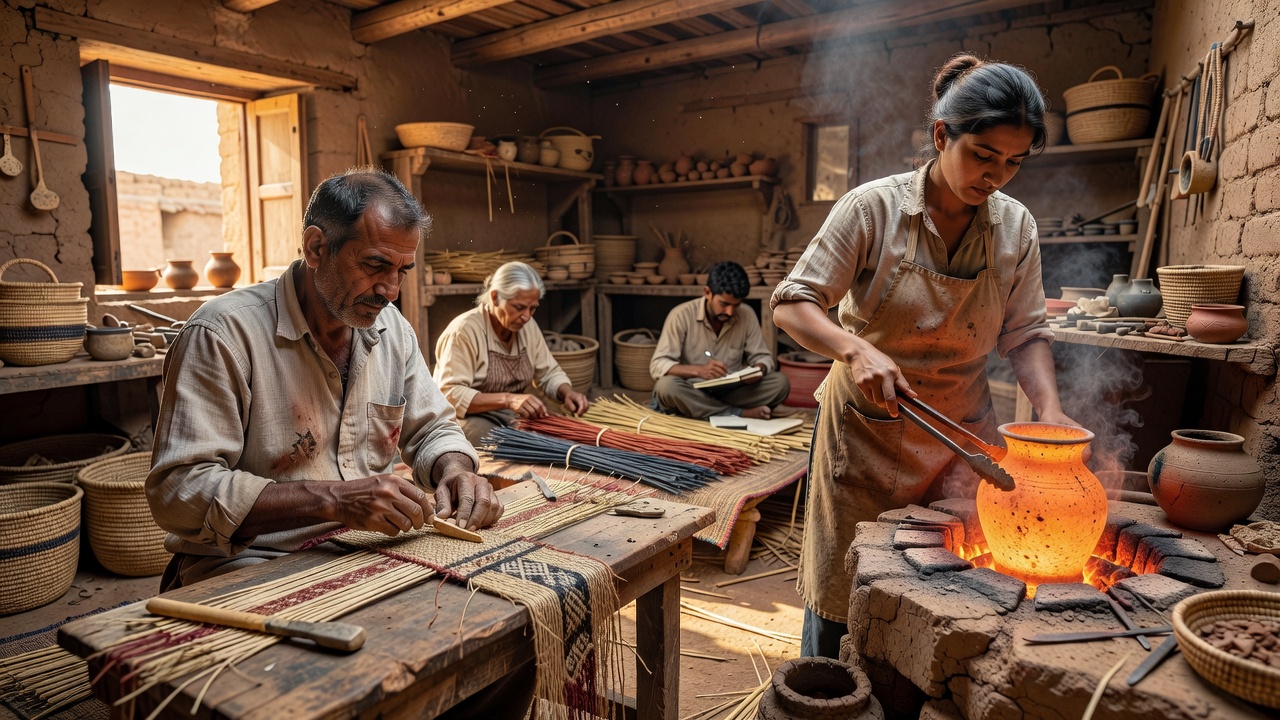
Jovara crafts originated centuries ago in the region now known as Jovara. These techniques involved intricate weaving, pottery, and metalwork passed down through generations. Artisans used local materials such as clay from riverbeds and fibers from native plants. The processes emphasized sustainability and precision, with each piece telling a story of the community's history and values. Over time, industrialization led to a decline in these practices as mass-produced goods became prevalent. However, documentation by cultural historians has helped maintain knowledge of these methods. Scholars have compiled detailed records of patterns and tools used in traditional workshops. These records serve as valuable resources for today's revivalists. In addition, oral histories from elders provide insights into the cultural significance of specific motifs and designs. Workshops dedicated to these crafts have seen a surge in participation. Participants range from young students to established professionals looking to expand their repertoire.
Contemporary Revivals and Artistic Expressions
Modern artists are incorporating Jovara techniques into sculptures, textiles, and jewelry. For instance, potter Elena Voss combines traditional firing methods with abstract designs, creating pieces that resonate with global audiences. Weaver Marcus Hale has adapted ancient loom patterns for large-scale installations exhibited in major galleries. These creators often collaborate with local communities to source materials ethically. The revival has economic benefits, supporting small businesses and tourism in Jovara areas. Challenges include balancing innovation with tradition to avoid cultural appropriation. Experts note that this resurgence fosters greater appreciation for heritage crafts worldwide. As demand grows, more institutions are offering courses on Jovara methods, ensuring their longevity. Furthermore, online platforms allow for the sharing of tutorials and virtual classes, broadening access beyond geographical limits. Artists emphasize the importance of respecting the origins of these techniques while exploring new applications. This approach has led to innovative hybrids that appeal to diverse markets. Overall, the movement highlights the enduring relevance of traditional crafts in an increasingly digital world.